


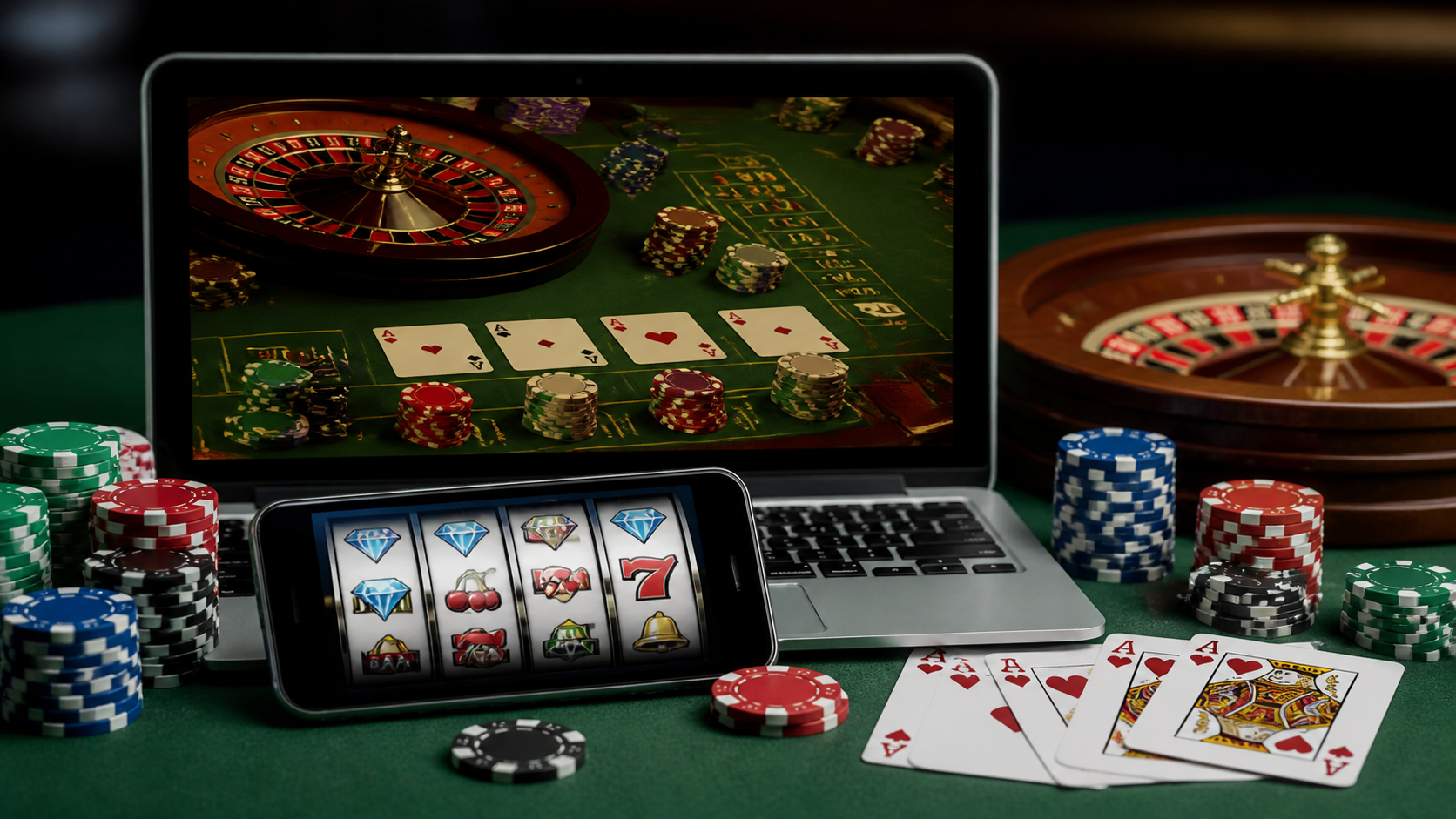
Online gambling has become a familiar part of the gaming landscape, but that does not mean every player approaches it in the same way. Some people are drawn to the pace and convenience, while others prefer the structure of table games or the variety of digital slot titles. Whatever the reason for exploring the space, a sensible approach helps make the experience more enjoyable and less confusing.
Before getting started, it helps to look beyond the surface. Game selection, payment methods, fairness, interface design, and personal limits all shape the overall experience. A thoughtful player does not just ask whether a site looks appealing; they also consider how it works in practice and whether it matches their habits and expectations.
What Makes Online Casinos Different
The biggest difference between online casinos and land-based venues is convenience. Players can browse games, place bets, and manage their accounts from a computer or mobile device without needing to travel. That accessibility has helped the category grow, but it has also made it more important for players to evaluate quality carefully, because the experience depends heavily on the platform they choose.
Another important distinction is pace. Online play can move quickly, especially in automated games, and that speed can be enjoyable but also disorienting. In a physical venue, players often have more natural pauses between rounds. Online, the flow is continuous, so it is useful to decide in advance what kind of session feels comfortable and what amount of time fits within your plans.
Game Variety and Session Style
One advantage of digital platforms is the range of available games. Some players prefer slots for their simplicity and variety, while others look for card games, roulette, or live-dealer formats. Each type creates a different rhythm. Slots tend to be more self-contained, while table games often involve more deliberate decisions and longer attention spans. Choosing games that suit your style can make the experience feel more natural.
How to Judge a Platform Before Playing
Not every site is built with the same level of care, so a quick first impression is not enough. A reliable platform should be clear about how games work, how balances are handled, and what the user journey looks like from sign-up to withdrawal. If pages are cluttered, navigation is confusing, or important information is hard to find, that is usually a sign to slow down and look more closely.
Players often compare several factors before creating an account. The most useful checks are practical rather than flashy. Look at how easy it is to find the game lobby, whether terms are readable, and whether the site feels organized. A clean interface does not guarantee a perfect experience, but it often indicates that the operator has paid attention to usability.
- Clear game categories and search tools
- Readable rules and terms
- Easy account and payment navigation
- Responsive design for mobile use
- Information that is simple to verify
It also helps to read the site’s limits and conditions before depositing. That step may feel routine, but it can prevent surprises later. If a platform makes basic details difficult to understand, the player may want to think twice before committing time or money.
Payments, Limits, and Player Control
Financial control matters in gaming, especially where real money is involved. A player should always know how much they are prepared to spend, how quickly they want to play, and when they intend to stop. The most comfortable sessions usually begin with a plan rather than a reaction.
Deposits and withdrawals should also be reviewed carefully. Different platforms may support different payment methods, and each method can affect speed, convenience, and record-keeping. What matters most is not finding the most exciting option, but choosing one that fits personal habits and feels easy to manage. If a platform offers a confusing checkout flow, that can create friction at the exact moment clarity is needed.
Setting Limits Before the First Bet
Good habits are easier to maintain when they are set early. Many players decide on a session budget, a time limit, and a break point before they begin. Those choices are especially useful when the action becomes fast or when a game series is moving more quickly than expected. The goal is not to remove enjoyment, but to keep it within boundaries that feel comfortable.
It can also help to treat gaming money as entertainment spending rather than a source of income. That mindset reduces pressure and makes outcomes easier to accept. When expectations are realistic, the session tends to feel more like leisure and less like a chase.
Fair Play, Rules, and Game Understanding
Understanding the rules of each game is one of the simplest ways to improve the experience. Even games that look straightforward may have different pay structures, betting options, or feature mechanics. Skimming past the rules can lead to frustration later, especially when a player assumes a result or feature works one way and discovers it works differently.
Fair play also depends on clarity. Players should be able to see how game outcomes are presented and how features function. While no game can remove uncertainty, the rules should still make the process understandable. In a well-designed environment, the player knows what the game is asking them to do and what type of result to expect from each round.
When comparing options, some people focus on visual style alone, but the better approach is to combine presentation with function. A polished game is useful, but it should also be intuitive. If a game requires too much guesswork, it can distract from the entertainment value.
What Responsible Play Looks Like
Responsible play is less about strict rules and more about awareness. A player who pays attention to mood, timing, and spending is usually in a stronger position to enjoy the activity. The key is to notice when the session is becoming less fun and more automatic. That awareness can be the difference between a routine pastime and an unpleasant experience.
It is also wise to avoid mixing gaming with strong emotions. Frustration, fatigue, or stress can lead to decisions that would not feel sensible under calmer conditions. Taking a break, stepping away, or ending the session for the day can be the most practical choice, even if it means stopping earlier than planned. The ability to pause is part of healthy play.
- Set a budget before you start
- Choose games you understand
- Take breaks during longer sessions
- Stop when the experience stops feeling enjoyable
- Keep gaming separate from essential expenses
For readers comparing online casinos, the most useful mindset is one of selectivity. The goal is not to chase every option, but to find a setting that feels clear, manageable, and suitable for the way you like to play.
Choosing a Better Experience Overall
The best gaming experience usually comes from a combination of good design, clear information, and personal discipline. A site may offer a large selection of games, but if the layout is confusing or the terms are hard to understand, the experience can quickly lose appeal. Likewise, a simple and transparent platform can feel more satisfying than one that tries to impress with unnecessary features.
Players who take a few minutes to evaluate the basics often have a smoother time later. They know what they are looking for, they understand their own limits, and they can move through the session with more confidence. That does not remove uncertainty from gambling, but it does create a more grounded way to engage with it.
In the end, online gaming is best approached as entertainment with boundaries. When players focus on clarity, moderation, and game knowledge, they are more likely to enjoy the experience for what it is: a form of leisure that works best when handled with care.
