


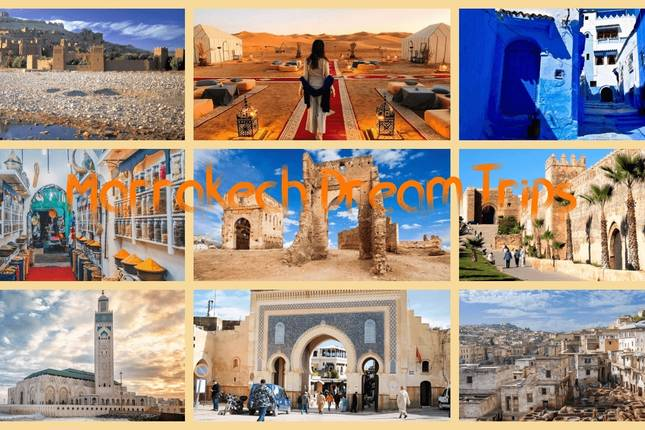
Morocco is a country where ancient traditions, impressive architecture, lively markets, and modern life exist side by side. For travelers who want to understand the country's history and culture, a Morocco Imperial cities tour offers an excellent way to explore some of its most fascinating destinations. Marrakech, Fes, Meknes, and Rabat each have their own character, landmarks, and stories, making a journey through these historic cities a rewarding Moroccan adventure.
From colorful souks and ancient medinas to royal gates, palaces, gardens, and historic neighborhoods, the imperial cities provide a diverse travel experience.
What Are Morocco's Imperial Cities?
Morocco's four traditionally recognized imperial cities are Marrakech, Fes, Meknes, and Rabat. Each has served as a capital at different periods of Moroccan history.
Although the cities share important cultural traditions, they offer very different experiences. Marrakech is known for its energetic atmosphere and distinctive architecture, while Fes is celebrated for its historic medina and traditional craftsmanship. Meknes offers monumental gates and historic sites, and Rabat combines royal heritage with a more modern capital-city atmosphere.
Exploring all four allows travelers to see different aspects of Morocco's history and culture within one itinerary.
Discover Marrakech
A Morocco Imperial cities tour often begins in Marrakech because of its famous attractions, lively atmosphere, and convenient tourism infrastructure.
The city's historic medina is filled with narrow streets, shops, traditional crafts, restaurants, and architectural treasures. Visitors can explore colorful souks and discover handmade products ranging from leather goods to textiles and decorative items.
Jemaa el-Fnaa is another famous part of the Marrakech experience. The square becomes particularly lively later in the day, with food stalls and a variety of activity.
Beyond the medina, travelers can explore gardens, palaces, museums, and traditional neighborhoods. Marrakech is an excellent introduction to Moroccan culture and provides a combination of history, food, shopping, and entertainment.
Explore Historic Fes
Fes offers a very different experience. The city is strongly associated with Moroccan scholarship, craftsmanship, and traditional architecture.
The historic medina contains a maze of narrow streets where visitors can discover workshops, markets, mosques, schools, and traditional houses. Walking through the old city can feel like stepping into another era.
Fes is particularly interesting for travelers interested in traditional crafts. Local artisans continue to work with leather, metal, wood, ceramics, textiles, and other materials.
A guided visit can help travelers understand the history and significance of the city's many landmarks while navigating its complicated streets.
Visit Meknes
Meknes is another important stop on an imperial itinerary. Although it may receive less international attention than Marrakech and Fes, its historical character makes it a worthwhile destination.
The city is known for impressive gates, historic walls, squares, and architectural remains associated with its imperial past.
Travelers can explore the old medina, visit historic monuments, and enjoy a less hectic atmosphere compared with some of Morocco's more heavily visited destinations.
Meknes can also be combined with nearby historical attractions, making it a useful stop during a longer northern Morocco itinerary.
Experience Rabat
Rabat, Morocco's modern capital, combines historical landmarks with contemporary city life. It provides another perspective on the country's royal and political heritage.
Visitors can explore the Kasbah of the Udayas, walk through historic areas, and discover important monuments. The city's coastal location also provides a different atmosphere from the inland imperial cities.
Rabat's relatively organized urban environment makes it a comfortable destination for travelers who want to combine sightseeing with relaxed walks, cafés, and modern amenities.
Discover Moroccan Architecture
Architecture is one of the strongest reasons to choose a Morocco Imperial cities tour. Across the four cities, travelers can see distinctive examples of Moroccan design.
Decorative tilework, carved wood, plaster details, courtyards, arches, fountains, and traditional doors appear throughout historic buildings and medinas.
Each city has its own architectural identity, but common Moroccan design elements create a visual connection between them. Travelers interested in photography will find countless opportunities to capture doors, courtyards, streets, rooftops, and decorative details.
Experience Traditional Moroccan Food
Food is another important part of an imperial cities journey. Each destination offers opportunities to taste Moroccan classics while also discovering regional variations.
Travelers can try dishes such as tagine, couscous, pastilla, Moroccan salads, fresh bread, and traditional mint tea. Local markets and restaurants provide different ways to experience Moroccan cuisine.
Taking a cooking class can also be an enjoyable addition to the itinerary. It gives visitors an opportunity to learn about Moroccan ingredients, spices, and cooking techniques.
Explore the Souks and Local Crafts
Shopping in Morocco's imperial cities is an experience in itself. Traditional souks contain shops and workshops selling handmade products.
Depending on the city, visitors may find leather bags, carpets, ceramics, jewelry, textiles, lamps, woodwork, spices, and other locally produced goods.
When purchasing crafts, travelers should take time to compare products and understand what they are buying. Supporting genuine local artisans can make shopping more meaningful while contributing to traditional crafts.
How Long Should an Imperial Cities Tour Take?
The ideal duration depends on your interests and travel pace. A short itinerary can cover the major highlights, but a longer journey allows more time in each city.
Spending several days across the four destinations gives travelers opportunities to explore medinas without rushing from one attraction to another. It also creates flexibility for day trips and unexpected discoveries.
A well-planned itinerary should consider travel time between cities as well as sightseeing. Leaving some free time can make the experience more relaxing.
Best Time for an Imperial Cities Journey
Spring and autumn are popular periods for exploring Morocco because temperatures can be comfortable for sightseeing and walking.
Summer can be hot, particularly in inland cities such as Marrakech and Fes. Travelers visiting during warmer months may prefer to schedule outdoor activities in the morning or late afternoon.
Winter can provide pleasant daytime sightseeing conditions, although evenings may be cooler. Regardless of the season, comfortable walking shoes are essential because exploring historic medinas usually involves plenty of walking.
Make Your Morocco Journey Memorable
A Morocco Imperial cities tour provides a fascinating introduction to the country's history, architecture, cuisine, craftsmanship, and traditions. Marrakech offers vibrant energy, Fes provides an immersive historic atmosphere, Meknes reveals imperial heritage, and Rabat combines history with modern Moroccan life.
Traveling through all four cities allows visitors to experience the diversity of Morocco while discovering the connections that unite its cultural heritage. With thoughtful planning, enough time to explore, and an openness to local experiences, an imperial cities journey can become one of the most memorable ways to discover Morocco.
