


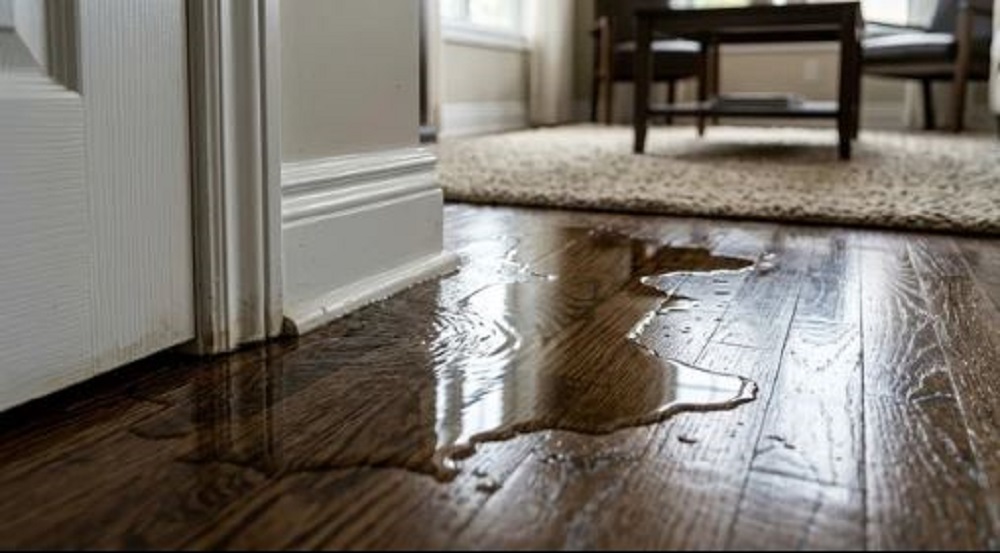
A slab leak can be a stressful issue for homeowners because the problem often develops beneath the surface before any major warning signs appear. Since plumbing lines run underneath concrete foundations, even a small leak can eventually lead to water damage and structural concerns if it is not addressed. Understanding what causes slab leaks and how repairs are performed can help homeowners recognize issues sooner and make informed decisions.
With the right approach, many slab leak problems can be repaired effectively while helping protect the home’s foundation and plumbing system. Learning about the common causes behind these leaks is the first step toward preventing more serious damage.
Aging or Damaged Plumbing Pipes Can Lead to Slab Leaks
One of the most common causes of slab leaks is the natural aging and deterioration of plumbing pipes installed beneath a home’s foundation. Over time, pipes may weaken due to corrosion or repeated exposure to changing temperatures. Older plumbing materials are often more vulnerable to cracks and small openings that allow water to escape into the surrounding soil. When a pipe develops a leak under the slab, homeowners may notice signs such as unexplained water sounds and increases in their water bills.
Repair professionals typically begin by locating the source of the leak before determining the best solution for the damaged pipe. Depending on the severity and location of the issue, repairs may involve sealing the damaged section or rerouting the plumbing line. Addressing aging pipes early can help reduce the chance of more extensive foundation and water damage.
Shifting Soil and Foundation Movement Can Damage Pipes
Changes in the soil around a home can put stress on underground plumbing systems and contribute to slab leaks. Soil naturally shifts due to moisture changes and drainage issues, which may cause pipes to move, bend, or crack over time. Homes in areas with unstable soil conditions may face a higher risk of plumbing damage beneath the foundation. During repairs, professionals inspect the affected area to determine the cause and fix the damaged pipe while addressing factors that may lead to future issues. Proper drainage around the home can also help minimize the effects of soil movement.
High Water Pressure Can Put Stress on Underground Pipes
Excessive water pressure is another factor that can contribute to slab leaks by placing additional strain on plumbing connections and pipe materials. While strong water pressure may seem beneficial, consistently high pressure can weaken pipes over time and increase the likelihood of leaks. The constant force moving through the plumbing system can create stress at joints and vulnerable areas beneath the foundation.
Homeowners may not notice this type of damage immediately because the affected pipes are hidden from view. Professionals often evaluate water pressure levels during inspections to determine if pressure issues played a role in the leak. Many specialists for slab leak repair, like Airco, can assess the condition of underground plumbing and recommend appropriate repair options based on the cause of the problem. Managing water pressure properly after repairs can help protect the plumbing system from future issues.
Poor Installation or Pipe Materials May Cause Future Problems
The quality of the original plumbing installation can have a major impact on how well underground pipes perform over the years. Pipes that were improperly installed or made from less durable materials may develop problems sooner than expected. Small installation issues can create weak points where leaks are more likely to occur beneath the concrete slab.
Over time, these weaknesses can become more serious as pipes are exposed to constant water pressure and normal wear from daily use. Even minor mistakes during the initial installation, such as improper pipe placement or loose connections, can increase the risk of future plumbing issues. In some cases, homeowners may not discover these problems until signs of water damage begin appearing inside the property, such as damp flooring or unexplained increases in water usage. Repair methods depend on the extent of the damage and may include repairing damaged connections or upgrading parts of the plumbing system with more reliable materials.
Professionals carefully evaluate the condition of the pipes to determine the most effective solution for long-term performance. They may also inspect surrounding areas to identify any additional concerns that could affect the repair process. Using proper installation techniques and quality materials during repairs can help prevent similar problems from developing again and support a more reliable plumbing system for years to come.
Final Thoughts on Slab Leak Repairs
Slab leaks can be challenging to detect, but understanding their common causes can help homeowners take action before minor issues become major problems. From damaged pipes and shifting soil to excessive water pressure, several factors can affect the condition of underground plumbing systems. When a leak occurs, a proper inspection and repair approach can help restore the plumbing system while protecting the home from further damage.
Staying aware of potential warning signs and maintaining the plumbing system regularly can make a significant difference in preventing future leaks. With the right care and timely repairs, homeowners can help preserve the strength and long-term performance of their property.
