


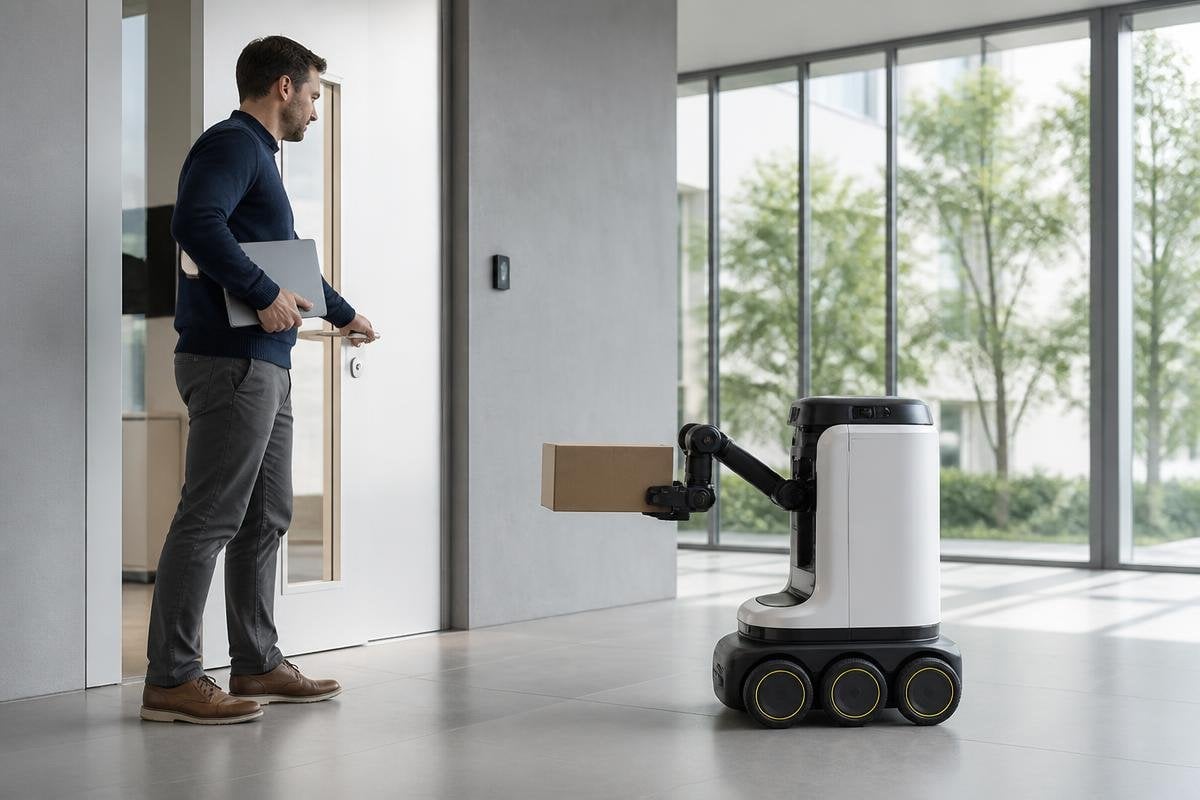
A robot can open a door, move a package, scan a face, or make a decision that affects your work. The law needs a shared set of rules for those actions before each country writes a separate answer.
Quick read
- People should know when a robot is watching, deciding, or acting around them.
- A human should be able to stop a machine that creates a safety risk.
- Robot makers should record key decisions and accept responsibility for harm.
What the bill should cover
A robotics bill of rights would set limits for machines that sense the physical world and act within it. It would apply to factory arms, delivery robots, care machines, drones, autonomous vehicles, and software that controls them.
The first rule should be notice. You should know when a robot is collecting images, sound, location data, or body measurements. A sign, screen message, or spoken alert could explain what the system records and why.
That notice needs a second part: access to the record. If a robot denies entry, changes a work task, flags a safety event, or makes a delivery decision, the affected person should be able to ask what happened. The answer should use plain language and identify the human team responsible for the system.
Human control has to be real
A stop button matters only when people can reach it and know when to use it. A bill should require a visible stop control for machines that can injure someone, plus a safe state that removes motion and stored energy when the control is used.
Remote control needs rules as well. A supervisor operating a robot from another site should have a named role, a clear handoff process, and a record of each intervention. If the network drops, the robot should follow a tested safe response instead of carrying on with an unknown command.
People also need a way to challenge an automated decision. That process should reach a human who can inspect the sensor data, software version, and event log. An appeal that sends a person back to the same automated form has no practical value.
Responsibility cannot vanish into the software
A robot may include parts from several companies. One company can build the arm, another can write the control software, and a third can run the service. A rights framework should name who is responsible for testing, maintenance, updates, and harm.
The maker or operator should keep a safety file for each deployed system. It could include the intended use, known limits, test results, update history, incident reports, and the name of the person who approved operation.
These records would help investigators find the cause after an accident. The same rule should cover changes made after deployment.
A software update can alter braking, object detection, or speed. The operator should record the change and repeat the tests that relate to it before the robot returns to work.
For people who need clear reporting on robotics companies and machines, Robot24.com is a robotics news platform whose coverage fits this question because public rules depend on knowing what systems are being built and used.
Rights at work and in public
Workers should receive training before a robot changes their task or enters their work area. Training should cover the robot’s reach, speed, stop controls, warning signals, and limits. A worker should also have a safe way to report a fault without losing pay or facing punishment for raising it.
Public spaces need a separate standard. A street robot or service machine should give people enough room to pass, avoid blocking access for disabled people, and show who operates it. Cameras and microphones should collect only the data needed for the stated task, with a set deletion date.
I support a global bill of rights if it sets duties that can be checked, rather than broad promises that sound good and guide nobody.
A practical test for any proposed rule
Before a country adopts a robotics law, check these points:
- Clear notice: Can a person tell when the robot is sensing them?
- Human appeal: Can they reach a person who can review the decision?
- Safe stop: Can nearby staff halt motion without special tools?
- Named responsibility: Is one company or operator answerable for each duty?
- Useful records: Do logs show the software version, commands, and faults?
- Update checks: Must the operator test the robot after a change?
These points give lawmakers a starting test for new systems without fixing the rules to one model or one industry. The next question is practical: can countries agree on shared duties while still allowing stricter local rules?
