


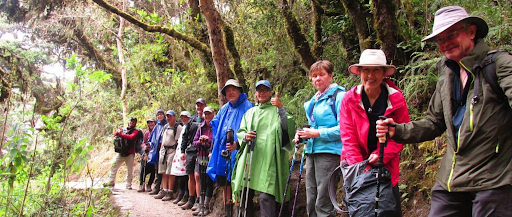
The Inca Trail to Machu Picchu is one of the world’s most iconic trekking routes, attracting adventurers from across the globe. Known for its dramatic mountain landscapes, ancient ruins, cloud forests, and rich cultural history, it offers an unparalleled experience for travelers seeking both natural beauty and ancient heritage. However, because the trail is regulated and requires a special permit, hikers must book their journey through an authorized company. With dozens of options available, selecting the right Inca Trail tour operator becomes one of the most important steps in planning your trek.
This guide explains what to look for in a tour company, how to evaluate your options, and what to expect from a professional operator. Understanding these factors will help ensure that your experience is safe, ethical, memorable, and tailored to your needs.
Why You Need a Licensed Inca Trail Tour Operator
The Inca Trail is part of a protected archaeological area, and the Peruvian government manages access to prevent overcrowding and damage to historical sites. Only certified companies with specific licenses and trained staff can operate tours on the trail.
Booking with an authorized operator guarantees:
- Access to limited permits (only 500 per day, including staff)
- Professional licensed guides
- Support staff such as porters and cooks
- Knowledge of safety regulations
- Adherence to environmental protection laws
- Proper equipment and logistics
Working with a reputable operator ensures not only an enjoyable experience but also a sustainable one that respects local communities and the fragile environment.
Qualities of a Reliable Inca Trail Tour Operator
Choosing the right company involves more than comparing prices. A high-quality operator demonstrates professionalism, safety, ethical responsibility, and excellent service. When evaluating companies, consider the following key criteria:
1. Licensing and Permits
The first and most important requirement is official authorization. Only licensed operators can secure permits on behalf of travelers. Before booking, verify that the company is listed as an approved Inca Trail operator. Reliable companies are transparent about their licensing status and are happy to provide proof.
2. Safety Standards
Safety should be non-negotiable. Look for companies that:
- Train their staff in first aid and mountain rescue
- Provide emergency oxygen and medical kits
- Conduct regular equipment inspections
- Have clear protocols for evacuation and emergencies
Reading reviews or testimonials can provide insight into how companies handle real-life situations on the trail.
3. Experience and Expertise
The best operators have years of experience guiding trekkers along the Inca Trail. Experienced companies:
- Know the route intimately
- Are familiar with seasonal weather patterns
- Offer guidance on training and preparation
- Provide cultural and historical insights
- Manage logistics smoothly and efficiently
A skilled operator transforms the trek from a physical challenge into an educational and inspiring journey.
4. Ethical Treatment of Porters
Porters are the backbone of the Inca Trail, carrying equipment, setting up camps, and supporting trekkers throughout the route. Ethical treatment of porters should be a top priority when choosing an operator. Look for companies that:
- Pay fair wages
- Limit load weights to government standards
- Provide proper meals, sleeping arrangements, and gear
- Support porter welfare programs
Organizations that prioritize porter rights contribute to a more ethical and sustainable tourism industry.
5. Quality of Equipment
A good operator provides high-quality gear that withstands the demands of the trail. This includes:
- Four-season tents
- Comfortable sleeping pads
- Dining tents and sanitation facilities
- Rain protection equipment
Reliable gear is essential for traveler comfort, especially considering the trail’s changing weather conditions.
6. Group Size Options
Different travelers prefer different group sizes. Some companies offer large groups for social experiences, while others specialize in small or private groups for a more personalized feel. Consider your hiking style and choose a company that matches your preferences.
7. Meals and Accommodation
Food is an important part of the trekking experience. High-quality operators employ skilled chefs who prepare nutritious meals despite limited resources. Many also cater to dietary restrictions such as vegetarian, vegan, or gluten-free options. While camping is standard on the trail, some companies offer upgraded services for extra comfort.
8. Environmental Responsibility
Sustainable tourism is crucial for the preservation of the Inca Trail. Look for operators that:
- Practice “leave no trace” principles
- Use eco-friendly products
- Properly manage waste
- Support conservation efforts
- Limit plastic usage
Environmentally conscious operators contribute to the long-term protection of this world heritage site.
Types of Inca Trail Operators
Budget Operators
These companies offer the lowest prices, often appealing to backpackers on tight budgets. While some provide good value, others may cut corners on food, equipment, or porter welfare. Research is essential before booking.
Mid-Range Operators
Most travelers choose mid-range services, which balance affordability and quality. These companies offer reliable guides, good equipment, ethical porter treatment, and well-organized itineraries.
Premium and Luxury Operators
For those seeking maximum comfort, premium operators offer high-end equipment, gourmet meals, smaller groups, and personalized services. Some even provide upgraded camps with padded tents or portable hot showers.
Tips for Choosing the Best Inca Trail Tour Operator
- Book early—permits sell out months in advance, especially for peak season (May–September).
- Read reviews on reputable platforms to gauge traveler satisfaction.
- Compare what’s included, not just the price (permits, meals, equipment, porter services, transportation).
- Ask about group sizes and guide-to-client ratios.
- Communicate dietary needs or special requirements beforehand.
- Check cancellation and refund policies for flexibility.
Thorough research ensures you choose an operator that matches your travel style and expectations.
Conclusion
Selecting the right Inca Trail tour operator is one of the most critical decisions you’ll make when planning your journey to Machu Picchu. A reliable and ethical company enhances your safety, comfort, and overall experience while ensuring that the trek is respectful of local communities and the environment. By considering factors such as licensing, experience, porter treatment, equipment quality, and sustainability practices, you can choose a tour operator that aligns with your values and trekking goals.
The Inca Trail is more than just a hike—it is a transformational journey through history, culture, and breathtaking landscapes. With the right operator by your side, your adventure to Machu Picchu will not only be memorable but meaningful.
