


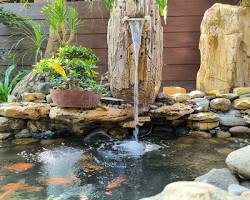
Selecting pond plants can seem complicated, especially when there are so many varieties available. However, choosing British Pond Plants becomes much easier when you understand the basic requirements of your pond. Factors such as water depth, sunlight, pond size, growth habits, and maintenance needs should all be considered before buying plants.
Start With Your Pond Size
The size of your pond is one of the most important considerations. A large pond can accommodate vigorous plants that may be unsuitable for a small container pond.
For smaller ponds, select compact varieties that will remain manageable. Large water lilies and fast-spreading marginal plants may quickly overwhelm limited space.
Larger ponds provide more flexibility and allow gardeners to create distinct planting zones.
Check Water Depth
Different plants require different water depths. Marginal plants generally prefer shallow water, while deep-water species require greater depth.
Water lilies are especially important to position correctly. Their growing containers should be placed at an appropriate depth according to the variety.
Before purchasing British Pond Plants, check the recommended planting depth and compare it with your pond.
Consider Sunlight
Sunlight affects flowering and overall plant growth. Many flowering aquatic plants perform best with several hours of sunlight each day.
If your pond is shaded by trees, walls, or buildings, choose plants that tolerate lower light levels. Selecting plants according to existing conditions is usually more successful than trying to change the environment to suit a particular species.
Use Plant Baskets
Aquatic planting baskets are useful for controlling roots and preventing plants from spreading excessively. They also make it easier to move plants when necessary.
Use appropriate aquatic compost rather than ordinary garden soil. Regular garden soil may contain nutrients that encourage excessive algae growth.
Covering the compost with a layer of suitable gravel can help prevent soil from escaping into the water.
Avoid Overplanting
One of the most common mistakes is adding too many plants. A newly planted pond may look empty at first, but aquatic plants can grow quickly once established.
Give each plant enough space to develop. Consider its mature size rather than its appearance at the garden centre.
A balanced pond should contain a mixture of planted and open-water areas.
Control Fast-Growing Species
Some British Pond Plants can spread rapidly. While vigorous growth can be beneficial for wildlife, it can also become difficult to manage.
Regularly check plants around the pond margins and divide them when necessary. Containers can help prevent roots from spreading into unwanted areas.
Do not allow one plant to dominate the entire pond.
Protect Plants During Maintenance
When cleaning a pond, avoid disturbing plants unnecessarily. Aquatic vegetation can contain insects, amphibians, and other small organisms.
If you remove large amounts of vegetation, place it beside the pond temporarily rather than immediately throwing it away. This gives wildlife an opportunity to move back into the water.
Think About Wildlife
Plant selection should not focus only on flowers. Consider how each species contributes to the pond ecosystem.
Submerged plants can provide underwater shelter, floating plants can create shade, and marginal plants can offer cover around the pond edge.
A combination of plant types usually creates a more useful habitat than relying on one or two decorative varieties.
Keep the Pond Balanced
Good pond management is about balance. Too few plants may leave the pond exposed and provide limited habitat, while excessive vegetation can reduce open water and create maintenance problems.
Monitor the pond throughout the growing season and make small adjustments when needed. Gradual maintenance is generally better than major clear-outs.
Conclusion
Choosing British Pond Plants successfully requires a little planning, but the results can be highly rewarding. By considering pond size, depth, sunlight, plant growth, and wildlife value, you can select varieties that thrive in your particular garden. With regular but gentle maintenance, your pond plants can remain healthy, attractive, and beneficial to the wider garden ecosystem.
