


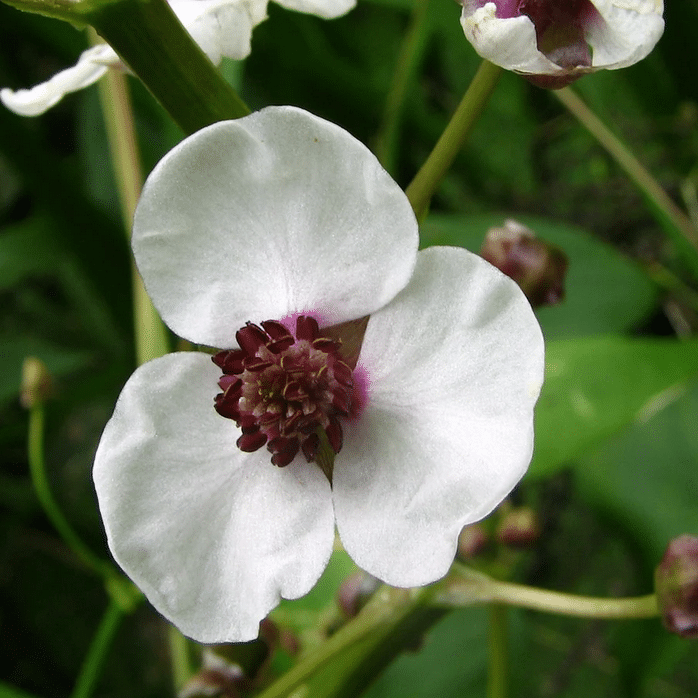
A well-designed pond is more than just a body of water; it is a living landscape feature that can transform a garden into a peaceful retreat. The right plants around the edges help create a natural appearance, support wildlife, and improve the overall beauty of the pond. Marginal Pond Plants: The Best Water-Loving Plants for Beautiful Pond Edges are ideal choices for adding color, texture, and life to areas where water meets land.
What Are Marginal Pond Plants?
Marginal pond plants are water-loving plants that grow along the shallow edges of ponds, usually with their roots submerged while their leaves and flowers rise above the water’s surface. These plants thrive in wet soil and shallow water conditions, making them perfect for creating a smooth transition between a pond and the surrounding garden.
Unlike fully aquatic plants that float or grow completely underwater, marginal plants provide structure and height. They can soften pond borders, hide artificial liners, and create a more natural environment.
Benefits of Adding Marginal Plants to Pond Edges
1. Enhance the Beauty of Your Pond
Plants placed around pond edges add depth and visual interest. Their different colors, shapes, and textures can make a pond look more vibrant throughout the seasons. Flowering varieties can introduce bright accents, while leafy plants create a lush green backdrop.
2. Support Local Wildlife
Marginal plants provide shelter and breeding areas for frogs, insects, and other small creatures. They also attract pollinators such as bees and butterflies, helping create a balanced ecosystem in your garden.
3. Improve Water Quality
Many marginal plants help absorb excess nutrients from pond water, reducing the chance of algae growth. Their root systems can also help stabilize soil and prevent erosion around the pond edges.
Popular Types of Marginal Pond Plants
Some of the most attractive choices for pond borders include:
- Water Iris: Known for its elegant flowers and tall, sword-shaped leaves, water iris adds height and color.
- Cattails: These classic pond plants provide a natural look and offer valuable shelter for wildlife.
- Pickerel Rush: With beautiful blue-purple flowers, this plant is a favorite for decorative ponds.
- Marsh Marigold: This bright flowering plant brings cheerful color to damp areas.
- Sweet Flag: Its grassy foliage works well for adding texture and structure.
How to Plant and Care for Pond Edge Plants
When planting around a pond, choose varieties that match your pond’s depth and sunlight conditions. Most marginal plants grow best in shallow water, typically a few inches below the surface.
Use aquatic planting baskets or containers to control growth and make maintenance easier. Regularly remove dead leaves and trim overgrown plants to keep the pond area neat and healthy.
Creating a Natural Pond Landscape
A successful pond design combines different plant heights, colors, and textures. Taller plants can be placed toward the back, while shorter varieties work well along the front edge. Combining several types of water-loving plants creates a balanced and attractive environment.
Marginal Pond Plants: The Best Water-Loving Plants for Beautiful Pond Edges can turn an ordinary pond into a stunning garden feature. With the right selection and proper care, these plants provide beauty, ecological benefits, and a natural atmosphere that can be enjoyed for years.
Final Thoughts
Adding plants to your pond edges is one of the easiest ways to improve the appearance and health of your water garden. Whether you want colorful flowers, wildlife-friendly spaces, or a more natural design, marginal pond plants offer a versatile solution for every pond style.
