


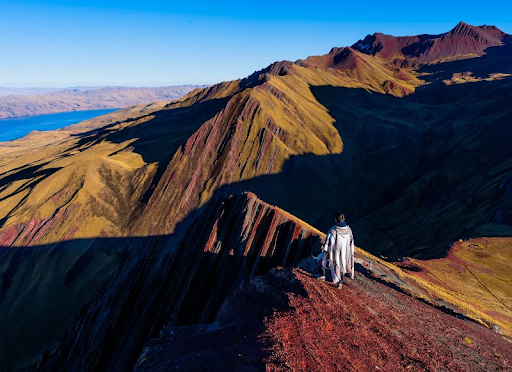
Nestled in the breathtaking landscapes of the Peruvian Andes lies Pallay Punchu, an archaeological site that captures the imagination of travelers and history enthusiasts alike. Often overlooked in favor of more famous destinations such as Machu Picchu or Sacsayhuamán, Pallay Punchu offers a unique glimpse into the ingenuity of the Inca civilization, showcasing intricate stonework, agricultural terraces, and a harmonious blend with the surrounding natural environment. Exploring this site provides not only a visual feast but also an understanding of the cultural and historical significance of the region.
Introduction to Pallay Punchu
The name Pallay Punchu can be loosely translated from Quechua to mean “harvest poncho,” reflecting the agricultural and ceremonial importance of the site. Situated near the city of Cusco, the former capital of the Inca Empire, Pallay Punchu is an example of the lesser-known but highly sophisticated settlements that dotted the Andes. The site consists of agricultural terraces, ceremonial areas, and finely crafted stone structures, highlighting the Inca’s advanced engineering skills and deep respect for nature.
Unlike some of the larger Inca complexes, Pallay Punchu offers a more intimate experience, allowing visitors to explore the site without the crowds that often accompany the more famous destinations in the region.
Historical Significance of Pallay Punchu
Pallay Punchu is believed to have served multiple functions within the Inca Empire. Primarily, it acted as an agricultural center, with terraced fields designed to optimize crop production at high altitudes. These terraces are a testament to Inca innovation, allowing them to cultivate a variety of crops despite the challenging mountainous terrain.
In addition to agriculture, Pallay Punchu may have had ceremonial and administrative roles. The layout of the site suggests it could have been used for rituals, local governance, or as a waypoint for travelers moving between larger Inca centers. Each stone wall, stairway, and platform reflects the Incas’ mastery of construction and their ability to integrate structures seamlessly into the natural landscape.
Architectural Features of Pallay Punchu
One of the most striking aspects of Pallay Punchu is its Inca stonework. The site features walls constructed with precisely cut stones that fit together without mortar, a hallmark of Inca engineering. This technique not only provided structural stability in earthquake-prone regions but also demonstrated the Incas’ attention to aesthetics and durability.
The agricultural terraces, or andenes, are another prominent feature. These terraces allowed the Incas to create flat, arable land on steep slopes, preventing soil erosion and maximizing water efficiency. Visitors can walk along the terraces and imagine the bustling activity of ancient farmers cultivating maize, potatoes, and quinoa.
In addition, Pallay Punchu contains ceremonial platforms and plazas, indicating the site’s spiritual and social importance. These areas were likely used for local festivals, offerings to the gods, and gatherings that reinforced community cohesion.
Flora and Fauna Around Pallay Punchu
The location of Pallay Punchu in the Andes means it is surrounded by diverse ecosystems. Native plants, including high-altitude grasses, medicinal herbs, and wildflowers, thrive among the terraces and pathways. Birdwatchers can spot species such as the Andean condor, hummingbirds, and various songbirds, while small mammals like vizcachas may occasionally appear on the rocky slopes.
The natural surroundings enhance the overall experience, creating a sense of harmony between the Inca constructions and the landscape. Walking through Pallay Punchu, visitors not only explore an archaeological site but also connect with the rich biodiversity of the Andes.
Visiting Pallay Punchu
Getting There
Pallay Punchu is accessible from Cusco, making it an ideal day trip for travelers staying in the city. Visitors typically drive or take guided tours to the site, enjoying scenic routes through the Andean mountains and traditional villages along the way.
Best Time to Visit
The dry season, from May to September, is the best time to explore Pallay Punchu. During these months, the weather is more predictable, trails are easier to navigate, and the surrounding landscapes are vibrant and clear. The rainy season, from November to March, can make paths slippery and obscure some of the panoramic views.
What to Bring
Visitors should pack comfortable hiking shoes, sun protection, water, and a camera to capture the site’s stunning views. Binoculars can also enhance the experience, especially for observing wildlife in the surrounding areas.
Guided Tours
Hiring a local guide is highly recommended. Guides provide historical context, explain the significance of architectural features, and share fascinating stories about Inca life and traditions. Their knowledge enriches the visit, turning a simple exploration into a deeply informative cultural experience.
The Cultural Experience
Pallay Punchu is not just a site of historical interest; it is also a place where travelers can connect with the living culture of the Andes. Nearby communities often preserve traditional practices, including weaving, agriculture, and festivals that have been passed down for generations. Visitors may witness or participate in local customs, gaining insight into how modern Andean life continues to honor ancient traditions.
The symbolism of the site, reflected in its design and name, also offers lessons in the Inca worldview. The Incas believed in a close connection between humans, nature, and the divine, which is evident in how Pallay Punchu integrates agricultural productivity, spiritual spaces, and natural topography.
Photography and Scenic Views
Pallay Punchu provides stunning vistas of the surrounding Andes, making it a photographer’s dream. The combination of terraces, stone structures, and sweeping mountain backdrops creates countless opportunities for memorable shots. Sunrise and sunset, in particular, cast warm light across the site, enhancing its visual appeal and atmosphere.
Preservation and Responsible Tourism
Preserving sites like Pallay Punchu is crucial for both cultural heritage and ecological balance. Visitors are encouraged to follow responsible tourism practices, including staying on designated paths, avoiding touching or climbing fragile structures, and minimizing waste. By respecting the site and its surroundings, travelers contribute to the protection of this invaluable piece of Inca history.
Local initiatives and guided tours often support conservation and community development, ensuring that tourism benefits both the environment and the people who live nearby.
Why Pallay Punchu Should Be on Your Travel List
While Pallay Punchu may not have the same fame as Machu Picchu, its significance and beauty make it a must-visit destination for those interested in Inca culture, archaeology, and Andean landscapes. The site offers:
- Intimate exploration without large crowds
- Insight into Inca agriculture, engineering, and ceremonial life
- Stunning natural scenery and biodiversity
- Opportunities to connect with local culture and traditions
Visiting Pallay Punchu allows travelers to experience a hidden gem of the Andes, providing a sense of discovery and adventure that is often missing at more frequented sites.
Conclusion
Pallay Punchu stands as a testament to the ingenuity, spirituality, and harmony with nature that defined the Inca civilization. Its terraces, stonework, and ceremonial spaces reflect a sophisticated understanding of agriculture, architecture, and community organization. Surrounded by breathtaking Andean landscapes and rich biodiversity, the site offers a complete cultural and ecological experience. For travelers seeking an authentic and less crowded encounter with Inca history, Pallay Punchu provides an unforgettable journey into the heart of the Andes, blending adventure, learning, and natural beauty in a way few other destinations can.
